

Social isolation can affect an older adult’s mood, confidence, physical health, and sense of purpose. Assisted living helps reduce that risk by placing daily opportunities for conversation, shared activities, meals, and support within the resident’s living environment.
For residents and families in Punxsutawney, PA, this can be especially meaningful when winter weather, transportation limits, health changes, or living alone make regular social contact more difficult. Assisted living does not guarantee that a person will feel connected, but a well-designed community can make connection easier to begin and maintain.
What does senior isolation look like?
Senior isolation means having too little regular contact or meaningful interaction with other people. It is different from choosing occasional quiet time. A person may enjoy privacy and still have a healthy social life, while another person may feel lonely even when others are nearby.
Possible signs include:
- Eating most meals alone
- Losing interest in hobbies or routines
- Rarely leaving the home
- Going several days without a meaningful conversation
- Showing sadness, irritability, anxiety, or unusual withdrawal
- Missing appointments or social activities because transportation is difficult
- Depending on one family member for nearly all social contact
Loneliness is the emotional experience of feeling disconnected. Isolation is the lack of social contact or opportunity. They often overlap, but either can occur without the other.
How does assisted living create more daily contact?
Assisted living creates natural points of interaction throughout the day. Residents may see the same staff members, neighbors, dining companions, and activity leaders regularly. These repeated encounters can help relationships develop gradually rather than requiring a person to arrange every visit independently.
Common opportunities for contact include:
- Shared meals and coffee conversations
- Group exercise or movement sessions
- Games, crafts, music, and discussion groups
- Religious, cultural, or seasonal gatherings
- Outdoor sitting areas and indoor common spaces
- Transportation for planned community activities
- Informal conversations in hallways, lounges, or gardens
The value is not simply being surrounded by people. Meaningful connection often grows from repeated, low-pressure interaction. A resident might first sit quietly during an activity, then participate occasionally, and later form a routine with others.
Why are shared meals helpful?
Meals provide structure as well as companionship. Eating at a table with others can help break up long periods of solitude and give residents a predictable reason to leave their rooms.
Shared dining also creates opportunities for conversation that do not feel forced. People can discuss familiar subjects such as family traditions, weather, local history, gardening, sports, or favorite recipes. For someone who has been eating alone, a regular dining schedule may become one of the most dependable social anchors of the day.
Staff can also notice changes in appetite, mood, or participation. If a resident suddenly stops attending meals, that may signal illness, sadness, difficulty adjusting, or another concern that deserves attention.
Can assisted living help residents maintain independence?
Yes. Social support and independence are not opposites. Assisted living can reduce the everyday burdens that make participation difficult, such as cooking, household maintenance, transportation planning, or managing multiple safety concerns.
With those tasks simplified, a resident may have more energy for:
- Visiting with neighbors
- Pursuing hobbies
- Attending events
- Calling family
- Participating in resident-led activities
- Spending time outdoors when conditions are suitable
Independence also includes having choices. Residents should be able to decide which activities they prefer, how often they participate, and when they want quiet time. Social connection is more sustainable when it is invited rather than imposed.
What if a resident is shy or does not join activities?
A person does not need to become highly social to benefit from assisted living. Some residents prefer one-to-one conversation, small groups, or quiet activities instead of large gatherings.
Staff and family members can look for lower-pressure starting points, such as:
- Sitting near others during a meal
- Joining a familiar activity for a short time
- Talking with one neighbor
- Participating in a small card game
- Helping with a simple task
- Listening to music with others
- Sharing a favorite hobby or life experience
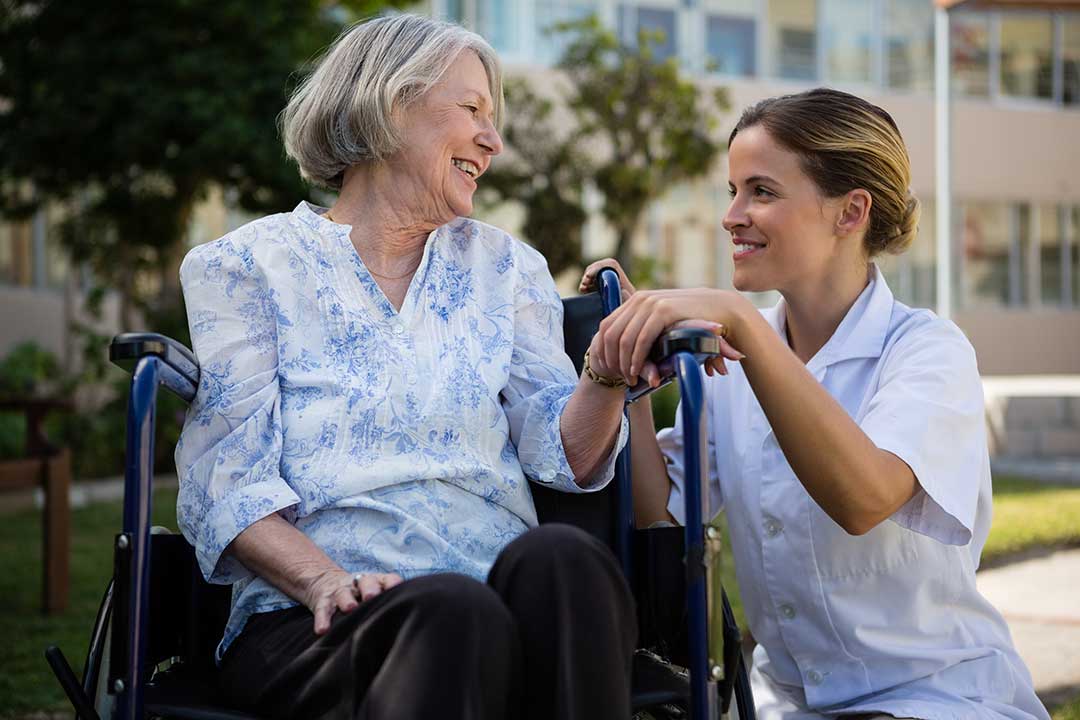
Adjustment may take time, especially after a move caused by illness, bereavement, a fall, or loss of a spouse. A resident who appears uninterested may actually feel uncertain, tired, embarrassed, or worried about fitting in. Gentle invitations and consistent routines are often more helpful than repeated pressure.
How can assisted living support family relationships?
Assisted living does not replace family involvement. It can make family visits more focused because relatives are no longer the resident’s only source of companionship or practical assistance.
Family members may find it easier to maintain connection through:
- Regular visits at predictable times
- Shared meals or walks
- Phone or video calls
- Bringing photographs, letters, or familiar objects
- Participating in an activity the resident enjoys
- Asking open-ended questions about daily experiences
A visit does not have to be long to be meaningful. Consistency often matters more than duration. Families who live farther away may also feel reassured that the resident has opportunities for contact between visits, although personal communication remains important.
Why does seasonal weather matter in Punxsutawney?
Cold temperatures, snow, ice, and shorter daylight hours can make social isolation more likely during parts of the year. Older adults may avoid driving, walking outdoors, or arranging visits when travel conditions are poor. People living alone may also spend longer periods indoors.
An assisted living setting can provide indoor spaces for activity and conversation when outdoor travel is uncomfortable or unsafe. Safe walkways, accessible common areas, transportation planning, and regular indoor programming help preserve routine during difficult weather.
Seasonal changes can still affect mood and participation. Staff and families should watch for residents who become increasingly withdrawn during winter or who stop attending meals and activities. Simple adjustments, such as placing preferred activities in warmer indoor spaces or arranging additional personal contact, may help.
Does assisted living prevent depression and loneliness?
Assisted living can reduce opportunities for isolation, but it cannot prevent every case of loneliness or depression. A person may feel lonely after moving, following the death of a spouse, during a health decline, or even while living among many people.
Persistent sadness, hopelessness, major sleep changes, loss of appetite, confusion, or statements about not wanting to live should be taken seriously. These concerns may require evaluation by a qualified health professional, particularly if symptoms interfere with eating, personal care, medication routines, or safety.
Social activities are helpful, but they are not a substitute for medical or behavioral health care when symptoms are significant.
What should families ask before choosing an assisted living setting?
Families can learn more by asking practical questions about daily social life rather than focusing only on amenities. Useful questions include:
- How are new residents introduced to others?
- Are activities offered at different times and participation levels?
- Can residents eat with others or choose a quieter setting?
- How are residents supported if they withdraw?
- Are family visits flexible?
- What happens during severe winter weather?
- Are common areas comfortable and accessible?
- Can residents continue favorite hobbies?
- How are personal preferences included in activity planning?
The most suitable setting is not necessarily the one with the longest activity calendar. It is one where residents have respectful choices, regular opportunities for connection, and support that recognizes individual personality, health, culture, and comfort level.
