
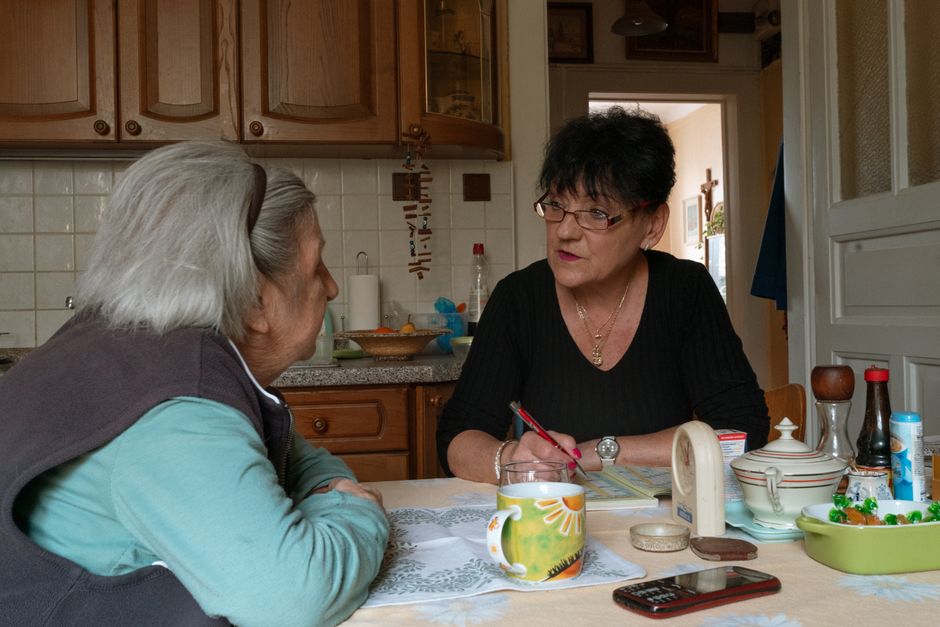
What visitor rights do assisted living residents have in Punxsutawney, PA?
Residents generally have the right to receive visitors and maintain contact with family, friends, advocates, clergy, and other important people. In Pennsylvania, assisted living residences must allow visiting access for at least 12 hours each day, seven days a week. State resident-rights rules also recognize that residents may receive visitors at any time when the visits do not adversely affect other residents.
This does not mean every residence operates without procedures. A residence may establish reasonable rules for safety, privacy, infection control, building security, and the comfort of people living there. Those rules should be explained before move-in and included in the residence’s written policies or resident-home agreement.
A visitor policy may address:
- Entry and exit procedures
- Visiting hours or quiet hours
- Sign-in requirements
- Guest identification
- Children visiting without an adult
- Overnight stays
- Visits in private rooms versus common areas
- Food, pets, smoking, and alcohol
- Infection-control precautions
- Conduct that could disturb or endanger others
The goal is to balance a resident’s independence and relationships with the shared nature of assisted living.
Are assisted living facilities allowed to limit visiting hours?
They may set practical visiting procedures, but a policy should not unnecessarily prevent a resident from maintaining personal relationships. Limits may be used for quiet hours, emergency conditions, staffing needs, building security, or the rights of other residents.
For example, a residence might ask visitors to use a main entrance after a certain hour, avoid loud conversations near bedrooms, or arrange advance notice for a large family gathering. These are different from completely preventing ordinary visits.
Temporary limits can also occur during an outbreak of influenza, COVID-19, norovirus, or another contagious illness. During those periods, a residence may reduce the number of visitors, require masks, move visits outdoors or to designated spaces, screen for symptoms, or pause in-person visits for a short time. In a community such as Punxsutawney, where winter weather can make outdoor visits impractical, indoor alternatives may be especially important.
Families should ask whether restrictions are temporary or part of the regular policy, how long they are expected to last, and what alternatives are available.
Do visitors need to sign in?
Many residences ask visitors to sign in and out. This helps staff know who is in the building during an emergency and can support infection-control tracking if an illness is identified.
A sign-in process may involve:
- Writing a name and arrival time
- Showing identification
- Receiving a visitor badge
- Listing the resident being visited
- Recording departure time
These steps are generally about safety rather than surveillance. Visitors should be able to ask how their information is used and whether the residence keeps a visitor log for a limited period.
A family member who visits frequently may still need to follow the same procedure as an occasional guest. Consistent rules help staff respond accurately during a fire, severe storm, power outage, or other emergency.
Can visitors go directly to a resident’s room?
That depends on the residence’s layout, privacy rules, and the resident’s preferences. Some facilities permit guests to go to a resident’s room after signing in. Others ask visitors to wait in a lobby until staff confirm that the resident is available.
Room visits may require additional consideration when a resident has a roommate. A roommate has privacy rights too, and the resident’s guest should not treat the shared room as a private gathering space without agreement from the other person.
A visitor may be asked to use a lounge, activity room, dining area, or another designated space if:
- The roommate is sleeping, receiving personal care, or resting
- The conversation is disruptive
- The room is too small for a group
- Staff need access for care
- The resident requests more privacy
Residents can ask how private visits are handled before moving in, particularly if family members expect to visit often.
Are overnight guests allowed?
Overnight guest rules vary. Assisted living residences may limit or prohibit overnight stays because of fire safety, evacuation procedures, room occupancy limits, insurance requirements, roommate privacy, or the building’s licensing arrangements.
An occasional overnight visit may require advance approval. A guest may need to sleep in a designated area rather than in the resident’s bed or room. Some residences do not permit anyone to stay overnight unless the person is a resident.
This issue should be clarified in writing rather than assumed. Families should ask:
- Are overnight guests allowed?
- Is there a limit on the number of nights?
- Is advance notice required?
- Can a spouse or long-term partner stay?
- Are there additional safety or occupancy rules?
- What happens if severe weather prevents a visitor from leaving?
These questions can be particularly relevant during heavy snow, icy roads, or other conditions that affect travel in and around the community.
What should visitors do if they are sick?
Visitors who have fever, vomiting, diarrhea, a significant cough, or other symptoms of a potentially contagious illness should postpone an in-person visit. A person may feel well enough to travel but still expose older adults, staff, and other residents to infection.
The residence may also screen visitors during seasonal outbreaks. Depending on the situation, it may require masks, hand hygiene, symptom checks, or a visit in a specific area.
Staying connected does not always require entering the building. Alternatives may include:
- Telephone calls
- Video calls
- Window visits
- Letters, photographs, or recorded messages
- Outdoor visits during suitable weather
- Deliveries coordinated through staff
Visitors should not bring food, medicine, plants, or other items without checking the residence’s rules. Certain items may create choking, allergy, medication-management, or food-safety concerns.
Can children visit assisted living residents?
Children are generally welcome when visits follow the residence’s safety and conduct rules. Young children should remain with a responsible adult, especially near elevators, kitchens, stairs, entrances, and residents who may be unsteady or confused.
A residence may ask families to limit running, shouting, or unsupervised movement through common areas. This protects children as well as residents. Families may also want to plan shorter visits because fatigue, noise, or unfamiliar surroundings can be overwhelming for someone with dementia or other cognitive changes.
A child who is sick should not visit in person, even if symptoms appear mild.
Can a residence stop a particular person from visiting?
A residence may take action when a visitor threatens, harasses, steals from, intoxicates, abuses, or repeatedly disrupts residents or staff. Safety-related restrictions should be based on a specific concern and handled consistently.
A resident’s preferences also matter. An adult resident generally has the right to decide whom to see, subject to lawful safety requirements and the rights of others. Family members do not automatically have unrestricted access simply because they are related.
If a visitor is denied access, the resident or designated representative can ask for the reason, the length of the restriction, and the process for reviewing it. A written policy can help distinguish a temporary safety measure from an improper barrier to contact.
What should families ask before move-in?
Visitor policies are easiest to understand before a resident moves into assisted living. Ask to see the current written rules and request specific examples rather than relying on general statements.
Useful questions include:
- What are the regular visiting hours?
- Can residents receive visitors outside those hours?
- How are after-hours visits handled?
- Are visitors allowed in resident rooms?
- What are the rules for children, pets, food, and overnight guests?
- How are visits managed during outbreaks or severe weather?
- Are there private spaces for family gatherings?
- What happens if a resident wants to see someone the family disagrees with?
- How can a resident raise a concern about a visitor restriction?
Clear expectations reduce conflict and help families plan visits that respect the resident’s choices, the household’s routines, and the safety of the wider community.
