
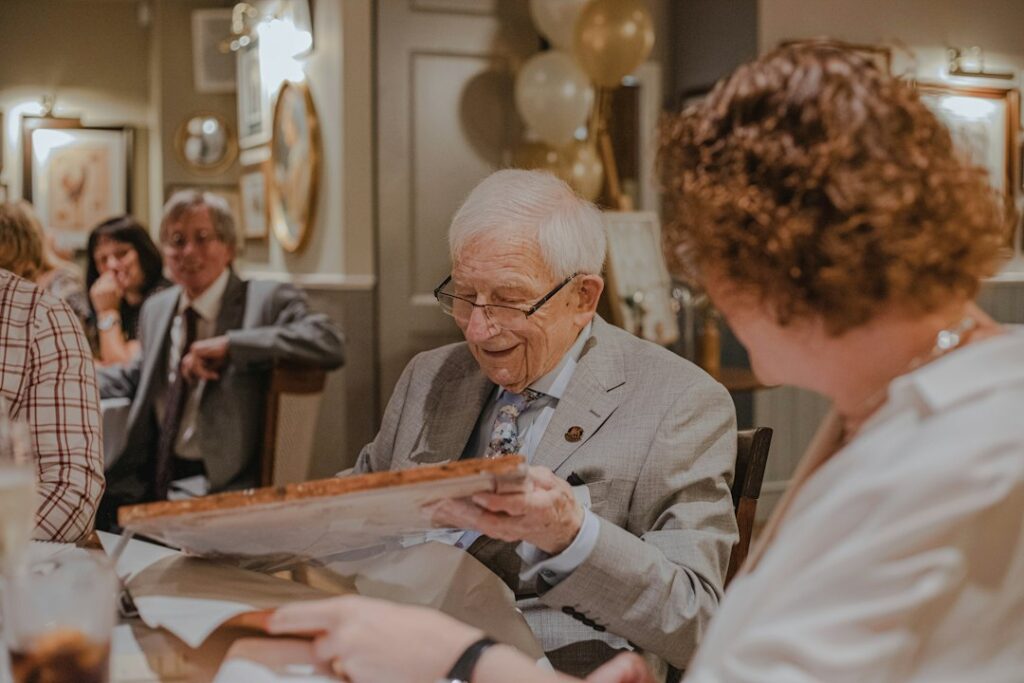
Assisted living can provide daily support while helping residents receive medical attention in an organized, consistent way. In Punxsutawney, PA, medical care coordination may involve residence staff, physicians, nurses, pharmacies, therapists, hospitals, emergency services, and family members working from the same plan.
What does medical care coordination mean in assisted living?
Medical care coordination is the process of organizing a resident’s health-related services, information, appointments, medications, and follow-up care. It is not the same as continuous nursing-facility care, and it does not mean that every medical service is provided inside the residence.
The goal is to make sure that important details are communicated and that care does not become disconnected when a resident:
- Starts or stops a medication
- Returns from a hospital or emergency department
- Develops a new symptom
- Needs therapy after an injury
- Has a change in memory, mobility, nutrition, or mood
- Requires transportation to an appointment
- Needs additional monitoring after a diagnosis
A well-organized plan identifies what help the resident needs, who is responsible for each task, and how changes will be documented and shared.
Who is usually involved?
The resident remains the central decision-maker whenever possible. Family members or a legally authorized representative may participate according to the resident’s wishes and applicable privacy rules.
Other participants may include:
- Primary care physicians and specialty providers
- Nurses or other licensed health professionals
- Assisted living staff members
- Pharmacists
- Physical, occupational, or speech therapists
- Home health clinicians, when ordered and eligible
- Hospital discharge planners
- Emergency medical personnel
- Dietitians or behavioral health professionals
Each person may see a different part of the resident’s situation. The assisted living team may notice a change in walking or eating, while a physician evaluates the medical cause. A pharmacist may identify a possible medication interaction. Coordination connects these observations.
How are medications coordinated?
Medication coordination includes more than handing a resident a pill. It may involve maintaining an accurate medication list, following written medical orders, documenting doses, watching for side effects, and communicating changes to the prescriber and pharmacy.
In Pennsylvania assisted living residences, medication assistance or administration is based on the resident’s assessed needs and support plan. Staff roles and training requirements can vary depending on the medication and the task being performed.
Families should ask:
- Who orders and refills medications?
- How are missed doses documented?
- How are medication changes confirmed?
- Who monitors for dizziness, sedation, confusion, constipation, or low blood sugar?
- Can the resident safely keep any medications in the living unit?
- How are over-the-counter products and supplements recorded?
A medication list should include prescriptions, nonprescription products, vitamins, supplements, allergies, and the reason each medication is used when known. Bringing an updated list to every medical visit can reduce errors.
What happens after a hospital or emergency visit?
The transition back to assisted living is one of the most important points in care coordination. The residence should receive clear information about diagnoses, treatments, medication changes, follow-up appointments, activity limits, wound care, diet, and warning signs.
Before or soon after returning, families should confirm:
- What condition was treated?
- Which medications were added, stopped, or changed?
- Are new instructions temporary or ongoing?
- Is a follow-up visit required?
- Are laboratory tests or imaging studies needed?
- Does the resident need therapy or help with mobility?
- What symptoms require urgent attention?
- Who should be called with questions?
A common misconception is that discharge paperwork alone completes the process. Instructions must be understood, entered into the resident’s care plan, and carried out by the appropriate people.
What is included in a resident’s care plan?

A care plan describes the support a resident needs and how that support will be provided. It may address medication assistance, bathing, dressing, mobility, meals, hydration, continence, sleep, communication, emergency evacuation, and health monitoring.
Medical information should be specific enough to guide daily care. For example, “watch mobility” is less useful than “use the prescribed walker, provide assistance when standing, and report a new fall or repeated unsteadiness.”
The plan should be reviewed when the resident’s condition changes, not only during a routine annual review. A change in appetite, repeated falls, increased confusion, shortness of breath, or difficulty swallowing may require reassessment.
How can families participate without creating confusion?
Families are most helpful when information is shared through an agreed process. Multiple relatives giving different instructions can create uncertainty, especially when medical orders are involved.
Helpful practices include:
- Identify the primary family contact and backup contact.
- Provide written permission for appropriate communication.
- Keep a current list of physicians, medications, allergies, and emergency contacts.
- Share changes in health, behavior, sleep, or appetite.
- Ask for clarification when instructions are unclear.
- Keep personal opinions separate from formal medical orders.
- Record questions before appointments and follow-up calls.
A resident’s preferences also matter. Care coordination should include discussions about routines, privacy, religious or cultural practices, food preferences, mobility goals, and the level of family involvement the resident wants.
What local conditions should residents consider?
Punxsutawney experiences seasonal weather that can affect medical routines. Winter ice, snow, cold temperatures, and changing road conditions may complicate transportation, outdoor mobility, and appointment attendance. A practical plan considers backup transportation, medication supply needs, weather-related delays, and safe footwear or mobility equipment.
Households in a less densely populated area may also need to plan more carefully for travel time, specialist appointments, and communication during poor conditions. This does not change the resident’s medical rights or care needs, but it can affect scheduling and emergency preparation.
Residents and families may ask whether appointments can be grouped, whether telehealth is appropriate, and how prescriptions will be obtained if travel is delayed. These questions are especially useful before winter storms or other disruptions.
When is a change in care needs significant?
A major change may include a fall with injury, sudden confusion, repeated medication refusal, uncontrolled pain, worsening breathing, dehydration, substantial weight loss, new incontinence, or an inability to complete familiar activities.
The appropriate response depends on the symptom. Some situations require emergency services, while others call for prompt communication with the resident’s physician or care team. New or worsening symptoms should not be dismissed as a normal part of aging.
Assisted living can coordinate many services, but it may not be equipped to provide the continuous skilled nursing care or intensive medical treatment required by every condition. If a resident’s needs exceed the setting’s capacity, the care team and family may need to discuss a different level of care.
What questions should be asked before choosing assisted living?
Families can learn a great deal by asking how medical coordination works in daily practice:
- How are new medical orders received and documented?
- Who communicates with physicians after a change in condition?
- How are appointments and transportation handled?
- What happens after a hospital discharge?
- How are falls, medication errors, and urgent symptoms reported?
- How often are assessments and support plans reviewed?
- What health services are available on-site, and which require outside arrangements?
- How are residents supported during severe winter weather or transportation delays?
Clear answers are more useful than broad assurances. The strongest plans explain who does what, when information is shared, and how the resident’s preferences remain part of the process.
